Showing posts with label diet. Show all posts

Thursday, September 15, 2011

Low Calorie Foods for Kids: Low Calorie Recipes for Obesity and Weight Loss in Children

Obesity Trends in the United States, are rising dramatically across all ages, over the last two decades. According to the Centre for Disease Control and prevention, over 12.5 million children and adolescents in the United States are obese. Low calorie diet for kids is considered very beneficial in controlling obesity and preventing a host of other complications including cardiac and circulatory problems. Here are some low calorie recipes and foods along with life style modifications that can be beneficial in controlling obesity among kids.

Childhood Obesity
is rising incidence
Low Calorie Recipes for Kids: Guide for Healthy Dietary Practices

Early childhood obesity has been linked with increased risk of developing cardiovascular disorders, diabetes, hypertension and other morbidities as age advances. Regrettably, a rise in childhood incidence of diabetes, cardiac ailments and hypertension is also being observed. Faulty dietary practices and lack of physical activity are considered to be the prime culprits for the increasing incidence of childhood obesity. Here are some tips while preparing low calorie recipes for kids,
  • Inculcating right eating habits from early childhood has become imperative. Children should be taught to avoid having heavy meals, which in turn implies an overload of fats, sugars and calories which in turn trigger a host of lifestyle disorders.
  • The key to designing low calorie recipe for kids is to ensure that they are healthy whilst being yummy to taste.
  • Involving the child in preparing the menu and determining what combination of foods that can be consumed is very vital. Child involvement in meal planning not only increases compliance but also makes the entire process enjoyable and less strenuous.

 Low Calorie Snacks for Kids: Preventing Obesity among Children
Avoid unhealthy snacks
and foods
Here are some low calorie snacks for kids that are high in nutritive value and also very tasty,
  • Fresh fruits are considered as very healthy and beneficial snacks. Fruits are not only packed with anti-oxidants but are also loaded with dietary fiber. In addition fruits contain simple sugars that are easily broken down to generate energy. Ensure that your child has an “All Fruit Breakfast”. Fruits like grapes, bananas, apples, cherries, peaches, oranges, sweet lime, etc can be included in your child’s diet
  • Dried fruits are also loaded with Omega-3 fatty acids and other vital nutrients which are healthy for the heart and prevent obesity. Consume at least one serving of dried fruits comprising of prunes, apricots, almonds, resins, cashew and dates.
  • Increase the intake of fresh vegetable salads as snacks. Salads can comprise of parsley, spinach, tomato, cabbage, potatoes, carrots, etc. Salads should ideally have a low fat dressing.
  • Cereals including Oats, barn, rice flakes, corn flakes, wheat flakes and pastas form a great snack option for kids. Cereal bars form a great mid evening snack for children. Cereals along with yogurt smoothie are healthy and tasty. Further yogurt is loaded with probiotics which improve digestion and improve intestinal health.

Involving kids in Diet Planning
can improve compliance
 Low Calorie Foods for Kids: Tips to help Weight loss in Children 
  • Portion control is vital and critical part of low calorie diet for children. Discourage children from consuming large proportions of meals. Encourage consumption of small and frequent meals. Don’t put on the Television, while eating.
  • Frequent helpings comprising of fresh or dried fruit are beneficial. Limit the intake of sugary foods, ice creams, cookies and fatty foods.
  • Home made muffins, cookies, breads, cakes and biscuits are always better. Home made recipes should have a lower fat usage. Add loads of dry fruits, flax seeds, etc which help increase the nutritive value. Cook home made muffins in polyunsaturated fatty acids like olive oil, sunflower oil, etc. Avoid the use of hydrogenated oils or refined oils in cooking.
  • Breakfast is the most important meal of the day, as it boosts the energy levels in the morning and also promotes metabolism. Alternate ‘all fruit breakfast’ which whole wheat sandwiches and cereals.
  • Cook at home, restrict going out for lunch or dinner. Also teach your children to eat healthy. Help them make the right choice by promoting healthy foods like brown rich, fresh salad over unhealthy foods like burgers, confectionary items and pizza

Friday, August 12, 2011

Get Healthy and Luxuriant Hair: Foods, Vitamins and Health Tips for Hair Growth

We all face hair problems: hair fall, balding, dandruff, hair breakage and premature graying. Sun damage, poor dietary pattern and inadequate hair care play havoc with your hair and scalp. However, some simple measures contribute to healthy and gorgeous hair.

Hair Foods help
manage hair fall
Understanding Healthy Hair: Causes of Hair Problem

Hair is a non living tissue; and is made up of keratin. Hair requires a bountiful supply of nutrients to nourish the hair follicles in the scalp. Usually, hair grows about 1 centimeter in a month. Also, remember that it is quite normal to lose up to 100 hairs per day.

Problems arise when the hair growth decreases, hair becomes brittles, the hair turns dry and dandruff sets in. poor diet, hormone changes and stress trigger hair loss and all the associated problems namely hair loss. Thus, following a healthy diet and incorporating certain supplements help your hair grow stringer and healthier.

Alfalfa Seeds are beneficial
for Hair

How to Get Healthy Hair? Simple Tips for Hair Growth 

  • First and foremost eat sensibly. Make sure that you have a balanced diet for hair growth. Don’t attempt fad diets; they deprive you of all the essential nutrients.
  • Use a mild shampoo and conditioner. Keep your scalp clean. Clogged pores and an accumulation of dirt, triggers infection and dandruff.
  • Massage your scalp once a week. Massaging stimulates hair follicles, especially those that are dormant. This encourages blood flow to the scalp and hair roots; thus supplying an abundant amount of vitamins and minerals.
  • Avoid harsh chemicals and steer clear off all hair treatments. High heat from curling irons and blow dryers damage the hair too.
  • Use home made hair packs made of : avocado, wine, papaya, etc.
 Foods for Healthy Hair: Dietary Recommendations for Long Hair 

  • Flax seeds: flax seeds are packed with omega 3 fatty acids. Omega 3 fatty acids make the hair soft, healthy-looking and glossy. Without enough omega 3 fatty acids in your body, the hair becomes dull and lifeless. Flax seeds also treat itching of the scalp and dandruff successfully. Have 3 spoons of roasted flax seeds daily.
  • Alfalfa: alfalfa juice or sprouts are the most excellent hair foods. They are loaded with the most essential vitamins and minerals that encourage hair growth. Make sure that you have a bowl of sprouts or a glass of juice everyday.
  • Soy: soy provides the body with the best quality of protein. Protein is vital for healthy and dense hair. Proteins check hair loss, prevent premature graying and foster healthy hair.

 Vitamins for Hair: Vitamins to Promote Hair Growth

 Your hair is very sensitive to vitamin and mineral imbalances. A lack of a particular vitamin, particularly over a long period of time can result in extreme hair loss. When you start vitamin supplements, begin with a dose every day for a period of 2 months. Thereafter start tapering the dose and incorporate those foods that supply that particular nutrient in plenty. It is always advisable to consult your health care provider. 

  • Vitamin A: vitamin A is very crucial for healthy hair. An insufficiency of the vitamin in the diet makes the hair look dry and dull. That should be your first warning sign of a deficiency. Protracted deficiency causes hair thinning and consequent hair loss. Supplementation will put a stopper to hair fall and impart a wonderful, healthy sheen to the hair.
  • Vitamin B complex: vitamin B strengthens the hair, conditions the scalp and checks hair loss as well. 
  • Biotin: biotin is equally effective in the maintenance of healthy hair. It restores lost hair, improves the texture and appearance of hair and promotes hair growth.

Wednesday, August 10, 2011

Look Younger and Fight off the Signs of Aging: Anti-Aging Food & Skin Care Regimen

Anti aging doesn’t have to mean turning to harsh skin products or cosmetic surgery. The popular trend now is to focus on anti ageing from within.Your lifestyle, diet, routine and stress levels play an important role I determining how you look and feel. Inconsistent lifestyle patterns, hurried, hectic routines, excessive sun exposure, damage due to pollution, mounting levels of stress, sedentary existence with no exercise accelerate the process of aging and make you look prematurely old.

Look Young and
Confident with
Anti Aging Therapy
Ways to Look Younger: The Importance of Water for Anti Aging

Incorporate these guidelines in to your daily routine, they promise to stave off the appearance of fine line and wrinkles, prevent the development of age spots, thwart hair fall, fatigue and lethargy.

An important aspect of your skin care regimen and anti aging treatment program is water. Drink plenty of water. Water hydrates your skin from within. Insufficient amount of water causes dehydration and consequently essential anti aging nutrients can not be delivered to the system. To look younger, you have to make sure that water is an integral part of the anti aging regime.

Anti Oxidants and Anti Aging Go Hand in Hand: Anti Aging Foods

  • Make sure you take plenty of anti oxidant in your daily diet. Anti oxidants are powerful tools to battle the ravages of age. They prevent oxidative cell damage and thus ward off the onslaught of aging.
  • Ensure that you have loads of limes, lemons, bell peppers, cherries, berries, apples and papayas. They are packed with vitamin C, the most potent anti oxidant and beauty vitamin. Vitamin C fights off fines lines, delays their appearance and lightens the skin significantly. It protects your skin from the brutal effects of the sun.
  • Vitamin A is crucial for healthy looking skin and hair. It imparts a healthy sheen to the skin, banishes age spots and keeps your skin looking supple. Additionally, vitamin A is essential for thick and luxuriant hair. It prevents hair fall and premature graying. Rich sources include: tomatoes, papayas, mangoes, carrots, spinach and melons.
  • Another powerful anti oxidant is the vitamin E. Vitamin E is vital for youngest looking skin and hair. What’s more, it helps deal with stress effectively. Vitamin E is fundamental for the healthy functioning of the nervous system. It soothes frayed and frazzled nerves and eliminates negative moods and emotions. Nuts and seeds are the best sources of vitamin E.
  • Taking supplements to meet your daily need for the anti oxidants is recommended too. However, do not depend entirely on supplementation. Incorporate these foods in to the daily menu. 
  • Regular Skin Care prevents
    Aging and maintains a
    Glowing Skin
  • Include green tea to your routine. Green tea is an excellent natural anti aging food that is packed with anti oxidants. It slows down the process of aging: fights heart trouble, keeps off cancer, helps maintain ideal body weight, boost stamina and immune mechanisms and keeps you looking radiant.
Anti Aging Treatment and Daily Skin Care

  • You must scrub your face and neck twice a week. Natural scrubs made of oatmeal; walnuts, cinnamon, etc. are decidedly effective and widely popular. A scrub gently exfoliates the skin. Exfoliation is a crucial part of anti aging. It helps eliminate dead cells and enhance cell renewal. Use a loofah to scrub your body daily. Never neglect the skin on the rest of your body. It needs care as well.
  • Steam your face once in a week. Make sure you apply ice after 5 to 7 minutes of steaming. Steam opens up the pores and gets rid off dirt and grime that tend to clog and enlarge the pores, resulting in black heads, white heads, acne and pimples.
  • Moisturization is exceedingly essential. Keeping your skin moisturized gives it a radiant and dewy appearance. Dry skin looks old and neglected. Moisturization prevents the development of wrinkles.
  • Importantly, protect your skin from the sun. The sun makes the skin dry, dull and leathery. It speeds up the appearance of wrinkles and age spots. Use scarves, glares and umbrellas and slather on plenty of sun block.
Exercise to Look Younger: Anti Aging Exercise

Exercise daily and face yoga gives you loads of energy, builds muscle mass, enhances blood flow to the skin, tackles depression and anxiety, strengthens bones and boosts metabolism. Exercise augments the delivery of vital nutrients and oxygen to the skin cells and makes you look youthful.

Good Sleep For Anti Aging: Sleep Well Look Younger

Sleep is very vital if you want to preserve your youthful looks. When you sleep, your body releases the growth hormone which stimulates cell turn-over. Poor sleep and stress suppress the immune system and step up the process of aging considerably. Ensure that you sleep for 8 hours everyday. Power naps are extremely effective too.

Friday, July 22, 2011

Andropause Symptoms: Life Style Tips, Diet Recommendations and Herbs to Treat Andropause

Andropause, similar to menopause in females, is a condition which is characterized by reduced production of testosterone which is the primary male hormone. The word “Andropause” is currently not included in the World Health Organizations, ICD-10 and not recognized as a condition. Estimates however suggest that approximately 30% of males above the age of 50 years experience symptoms identified as a part of low testosterone levels. 5 million people in the United States and approximately one in every 10 individuals above the age of 60 years suffer from low levels of testosterone. The concept though not widely accepted in the United States is relatively more appreciated in Australia and parts of Eastern Europe. Though hormone replacement therapy is considered to be the prime solution to the problem, simple dietary tips, herbal remedies and life style modifications can help in effective management of the condition
Age Gracefully: Manage
Andropause Naturally
Understanding Andropause: Andropause Symptoms associated with drop in Testosterone

Andropause is a condition which is characterized by reduction in the production of testosterone. Unlike menopause which is associated with complete cessation of the reproductive life of the female, Andropause doesn’t result in complete cessation of reproductive ability but is associated with bouts of impotence and lower fertility levels. Fall in the levels of testosterone are associated with the following symptoms,  

 Andropause Treatment: Life Style Tips and Diet Recommendations

Certain life style modifications and a correct and balance diet can not only help in dealing with some of the symptoms of Andropause, but can also regularize the hormonal system and aid in increasing testosterone levels.  
  • Regular Exercise plays a crucial role in effective management of Andropause. Exercising for twenty minutes each day helps in management of the condition. Exercising increases the production of hormones in the body and also helps in regulating metabolism. Simple Yoga exercises can be very beneficial and they help you maintain a healthy and supple body.
  • Diet plays a crucial role in regulating the production of various hormones including testosterone. Increase the intake of fresh fruits and vegetables. Reduce the intake of processed and refined foods. Refined foods interfere with normal metabolism and also hamper the production of hormones. Increase intake of prunes, almonds, walnuts, flax seeds etc. as they are loaded with Omega 3 fatty acids. Lean beef, chicken and eggs also play a crucial role in supplying essential proteins to the body.
  • Adequate amount of sleep is crucial for management of this condition. Reduce the consumption of stimulants like alcohol, coffee and nicotine. These foods cause wakefulness and interfere with the normal hormonal cycle of the body
  • Ginseng is beneficial
    in enhancing Libido
  • Low fat milk and dairy products along with green leafy vegetables are good sources of calcium and magnesium, which are essential to prevent aging and osteoporosis.

 Herbs to treat Andropause: Home Remedies for regulating Hormone Balance 
  • St John’s Wort is an essential herb which is found to be effective in the management of depression associated with Andropause
  • Saffron are considered beneficial in mood regulation and management of depression
  • Ginseng and Ginko biloba stimulate sex drive and also enhance libido
  • Turmeric and Raw Honey is considered to be beneficial in management of joint stiffness. Turmeric is better than conventional NSAIDS and analgesics for management of pain while honey is a great source of energy.
  • Ginger is considered beneficial in the management of joint pains and aches. Ginger tea or freshly crushed ginger can be used with great effectiveness. 

Saturday, July 16, 2011

Improve your Child’s Eyesight Naturally: Dietary Recommendations for Healthy Eyes and Yoga for Better Vision

As per estimates, one in every four children in the United States suffers from undetected vision problem which in turn tends to interfere with the child’s ability to learn. As per the Vision Council of America, only six percent of parents recognize the importance of vision problem and take their kids for annual comprehensive eye exams. Estimates suggest that about seventy percent of the two million school-age children across the United States suffer from some form of visual impairment which tends to interfere with their school performance. Corrective glasses and lens are often used to management of eyesight correction, however prolonged exposure to television and computer screens tend to make matter worse. Diet and yoga are beneficial in improving eyesight and vision naturally.

Bad Eyesight may be responsible
for poor grades
Signs of Poor Vision: Symptoms of Bad Eye Sight

It is vital for parents to be able to identify the signs and symptoms of poor eyesight. Unfortunately, parents tend to get upset with their kids for poor grades at school and fail to understand that their inability to cope up could be attributed to poor vision. It is important for parents to appreciate that almost 70% of learning depends upon the visual acuity of the child. Some common symptoms associated with poor vision include,
  • Holding the book too close to the face while reading or writing
  • Squinting or covering one eye while attempting to see distant objects or concentrating on the black board
  • Clumsiness and daydreaming is frequently observed due to lack of interest in studies due to inability to read or write easily
  • Constantly rubbing the eyes
  • Tilting the head on one side
  • Severe headaches, especially when studying, reading or writing  
Diet for Better Eyesight: Top foods for Healthy Eyes

Green Vegetables are
a good source of Vitamin A
Vitamin A is one of the crucial vitamins that is important for healthy eyesight. Including foods containing Vitamin A is crucial to ensure healthy eyesight. In addition other vitamins and nutrients are required to maintain healthy eyesight.
  • Spinach and other green leafy vegetables like parsley, turnip, etc are loaded with Vitamin A and play a crucial role in improving eyesight
  • Cold water fish contains several essential vitamins and minerals that prevent drying of the eyes
  • Soy is rich in proteins and should be included in the diet
  • Eggs, Onions, Garlic, etc are loaded with anti-oxidants and prevent eye damage
  • Nuts like almonds, apricots, avocados, etc contain omega-3-fatty acids that prevent atherosclerosis and improve the circulation of the blood to the eyes. Including these foods in your child’s diet prevents the occurrence of dark floating spots, which can interfere with eyesight. Using olive oil instead of regular refined oil is also beneficial for eye health and enhancing vision.
  • Blue berries and grapes are also loaded with vitamins and help improve night vision

 Yoga to improve Vision: Natural Tips to improve Eyesight

Yoga has more to do then instilling calmness and tranquility and fighting stress in individuals. Inculcating a habit of regular simple yoga exercises on daily basis can be beneficial to your child’s health in general. Here are a few suggested yogic exercises to improve eyesight,
  • Find a comfortable place for your child to sit. Ensure that the posture is erect with the neck and the back straight. Now ask your child to concentrate on the tip of the nose for about five seconds. Then for the next five seconds ask him to concentrate on a painting or a picture located on a distant wall. Alternate concentration of distant and near objects helps improve eyesight as it strengthens the papillary muscles of the eyes. Ask your child to close his eyes and relax for some time.
  • Ask your child to concentrate on the third eye (i.e. the area just above the nose between the two eyebrows) without blinking. While doing this ensure that both the eyes are raised and directed towards the forehead. At first your child may complain of pain in the head. Ask him to relax and repeat the exercise after some time.  
Diet and Yoga techniques help in improving sight and vision and prevent the occurrence of refractory errors like myopia and hypermetropia in children.

Friday, July 15, 2011

Weight Management with Coenzyme Q10: Side Effects of Coenzyme for Rapid Weight Loss

Coenzyme Q10 has been touted as the wonder supplement that is extremely effective in weight loss and weight management. Alongside it provides the body with a burst of energy and pumps up stamina and endurance power.


Ideal Body Weight boosts
self confidence
What is Coenzyme Q10?

Coenzyme Q10 is synthesized by our body and belongs to a group of compounds known as the quinones. It is found in abundance in oils and nuts. Experts around the world state that this nutrient is very vital for the optimal functioning of the body.

What Does Coenzyme Q10 Do? How Does Coenzyme Promote Rapid Weight Loss?
Coenzyme Q10 acts like a catalyst for metabolism; consequently, food gets broken down in to packets of energy that your body can use. Coenzyme Q10 acts in conjunct with enzymes; thus it is called a co-enzyme, it accelerates the important processes of metabolism. As a result once your metabolic activity and rate gets boosted, you burn more calories and accordingly lose superfluous and unwanted weight.

Coenzyme also helps manage cardiovascular diseases, prevents cancer and slows the progression of Alzheimer’s and Parkinson’s disease.

Coenzyme Q 10 helps
in Weight Management
How to Take Coenzyme Q10 for Weight Management?
Experts recommend 50mg twice daily. Higher doses are advocated in cases of chronic ailments such as: cardiac diseases, Alzheimer’s, etc. take the supplement along with your meals to enhance its absorption. It could take about 2 months for results to become evident.

Also, it is very essential to remember that you must follow a wholesome and healthy diet, a regular exercise regimen and a consistent lifestyle pattern.

Are There Any Side Effects of Coenzyme Q10?

Commonly seen side effects of the supplementation of coenzyme Q10 are: nausea, loss of appetite, diarrhea and stomach upset. It is always advisable to consult your doctor before staring any supplementation.

Tuesday, July 12, 2011

Get Rid of Cellulite on Buttocks and Thighs: Diet and Tips to Manage Cellulite Naturally

Cellulite refers to unsightly appearance which is often referred to as cottage cheese like appearance on the hips, buttocks and thighs. As per estimates, more than 85% of women in the western world suffer from cellulite, once they enter their teenage. Studies have shown a strong correlation between life style patterns and dietary practices and their influence in development of cellulite. It has been observed by various researchers that cellulite is a problem far more common in the western world compared to the eastern and developing world. Change in dietary practices can help prevent the occurrence of cellulite.

Cellulite is common
in the West
Cellulite Causes: Managing Cellulite Naturally

Normally fat cells in the body are encapsulated and stored in the adipose tissue of the body. Often however, fat cells tend to be pushed outside the walls of the adipose tissue, especially located in the middle layer of the skin. This results in extra pull on the connective tissue giving the skin an orange rind or cottage cheese appearance, which is often very unsightly.

It has been proven beyond doubt that life style factors, dietary factors and stress are essential factors that contribute to the development of cellulite. Working women in a fast track modern society tend to take less care of themselves which in turn increases the possibility of developing cellulite. Studies have shown that lower intake of junk food in eastern countries tends to reduce the exposure of women in the developing world to preservatives, food addictives and colorants which in turn reduces the occurrence of cellulite among them. Diet plays a crucial role in Cellulite Management

  
Get Rid of Cellulite on Thighs and Buttocks: Diet to Treat Cellulite Naturally
  • Avoid junk food, processed foods, saturated and Trans fats. Avoid aerated drinks and beverages. Avoid alcohol and smoking
  • A detoxification process can help you in effective management of cellulite. A Lemon detox diet is considered beneficial as it helps purge out the toxins and chemicals accumulated in the body which are considered primarily responsible for cellulite formation. It improves gastro-intestinal functions and digestion, fights constipation and improves immunity.
  • Dates are efficient in
    the management of
    Cellulite
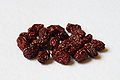
  • Increase the intake of fresh fruits, namely oranges, apples, grapes, avocados along with fresh vegetables namely spinach, broccoli, cabbage, parsley, etc. Increase the intake of dry fruits like raisins, dates, prunes, etc. This diet typically helps in purifying the blood and is loaded with vitamins and minerals
  • Ensure that you consume a minimum of three liters of water each day. Water helps in flushing out toxins and prevents the accumulation of toxins and waste in the body
  • Increase the intake of foods rich in Vitamin E and Vitamin A. These foods are beneficial for the skin. Minerals like Magnesium and Calcium also play a crucial role in strengthening the collagen tissue and preventing cellulite formation
Cellulite Management Tips: Cellulite Free Thighs and Buttocks

In addition to the dietary recommendations, here are some addition tips that can be beneficial in reducing the occurrence of cellulite,
  • A cold water bath is always beneficial. Cold water helps close up the pores which in turn gives the skin a shiny appearance. Before the bath, brush the skin with a rough towel. This helps improve blood circulation to the skin.
  • Weight management plays a crucial role in reducing occurrence of cellulite. Shedding out the extra pounds and having an ideal body weight is beneficial. Yoga techniques can be beneficial in the management of weight gain.
  • Regular exercise plays a crucial role in maintain ideal body metabolism and also helps in removal of toxins and accumulated waste. 

Friday, July 8, 2011

Treating Hyperthyroidism Naturally: Hyperthyroidism Diet and Foods

Clinically referred to as thyrotoxicosis, the prevalence of hyperthyroidism ranges between 0.2 percent in males and about 2 percent in females. Further community based studies have pointed out that prevalence of hyperthyroidism in elderly patients can be as high as 15 percent. Understanding the manifestation of hyperthyroidism is crucial to understand the severity of the disorder. Fortunately dietary regulations can help in efficient management of the condition.

Grave's Disease is responsible
for Hyperthyroidism
Hyperthyroidism: Etiology and Manifestations

Hyperthyroidism is a condition characterized by excessive production of the thyroid hormone, which in turn is associated with alteration of metabolic and physiological process of cells in the body. The causes of hyperthyroidism include,
  • Autoimmune disorder, often referred to as the Graves Disease, where the body’s immune system releases anti-bodies against the thyroid gland resulting in increased production of the thyroid hormone
  • Benign tumors of the thyroid glands can result in solitary nodules which are associated with hyperthyroidism
  • Inflammation of the thyroid gland or thyroiditis is another condition which is associated with increased production of the thyroid gland

Hyperthyroidism is associated with a wide range of symptoms which include,  

Natural Treatment for Hyperthyroidism: Foods for Hyperthyroidism

  
Cabbage is a goitrogenic
food and helps in treatment
of Hyperthyroidism
Here are some dietary tips that can help in efficient management of hyperthyroidism,
  • Increase the intake of cruciferous vegetables. Foods like cabbage, cauliflower, kale, turnip and broccoli are also termed as goitrogenic foods since they interfere with the body’s ability to utilize iodine effectively. These foods would reduce the utilization of iodine and thereby aid in reducing the excessive production of thyroid hormone, responsible for hyperthyroidism
  • Millet, Sorghum, Soy and Cassava also act as goitrogens and block the availability of iodine
  • Zinc supplementation is crucial especially in individuals suffering from hyperthyroidism. Overactive thyroid gland tends to deplete the zinc content in the body. Include foods like garlic, almonds. Peanuts, walnuts and pumpkin seeds in your diet. These foods are loaded with zinc
  • Calcium supplementation is also important among individuals with hyperthyroidism. Increase the intake of prunes, dates, figs, turnips, sesame seeds which are good sources of calcium. Avoid diary food products
  • Vitamin E and Vitamin C are powerful antioxidants that can help fight oxidative stress and help in effective management of hyperthyroidism
Hyperthyroidism and Diet: Foods to Avoid

Certain foods tend to aggravate the problem of hyperthyroidism and should be avoided in the daily diet menu,

  •  Avoid canned and processed foods. These foods are loaded with chemicals, coloring agents and preservatives and tend to interfere with the normal production of hormones in the body
  • Avoid refined foods like refined flour, white sugar, trans fats and pasta
  • Avoid foods that are high in iodine content namely seafood and certain medication. Limit the intake of iodized salt, instead try using sea salt or non fortified salt
  • Avoid tea, aerated beverages, alcohol and coffee. These foods interfere with the absorption of vital nutrients and further complicate the problem. 

Saturday, June 18, 2011

Chicken Nutrition and Facts: Health Benefits of Chicken in Diet

Various studies have shown that non vegetarian diet is often associated with lower life expectancy compared to the vegetarian diet. The protein contained in non vegetarian diet is considered to be responsible for lowering the life expectancy. When compared with red meat, Chicken is often considered to be the healthier option. Chicken nutrition is beneficial in weight loss and also helps in regulating blood cholesterol levels.

Treating Prostate Enlargement with Pumpkin Seeds Naturally: Diet to Prevent Prostate Disorders

Prostate Enlargement is a common problem experienced by males above the age of fifty years. Prostate Enlargement and prostate problems tend to increase with increasing age with about 90% of adult males above the age of 80 years suffering from prostate problems. Estimates suggest that globally approximately 115 million men complained of symptoms of varying intensity indicative of Prostate Enlargement in 2006. Most conditions of Prostate Enlargement are benign, often referred to as BEP while Prostate cancer has a lower prevalence rate of about 0.2% among males above the age of fifty years.

Thursday, June 16, 2011

Role of Human Growth Hormone to Increase Height: Diet and Exercises to become Tall Naturally

Height among humans is affected by a wide range of factors including diet, lifestyle, genetic composition and other environmental factors. Studies have shown that Human Growth Hormone, a hormone naturally produced by the pituitary gland, plays a crucial role in regulating the height in humans. The use of synthetically prepared HGH to increase height is not approved by the Food and Drug Administration due to several reasons; there are natural ways in which HGH production in the body can be boosted to increase height

3 D structure of Human
Growth Hormone
Human Growth Hormone for Tallness: HGH for Increase in Height

The Human Growth Hormone (HGH), secreted in the pituitary gland stimulates the production of IGF-1 (Insulin like Growth Factor-1) in the liver. IGF-1 in turn promotes the growth and multiplication of cells in the epiphysis. Epiphysis refers to cartilaginous tissue located at either end of long bones like femur and humorous. Multiplication of cells in the Epiphysis results in increase in length and shape of the bones.

The epiphysis plates however transform into solid bone after puberty and hence growth in height normally stops after puberty (i.e. by 14 years in females and by 16-18 years in males).

Deficiency of the Human Growth Hormone may result in short stature or dwarfism while excess of the hormone is related to Gigantism or an abnormally large individual.

Studies have shown that increase in HGH levels, especially prior to puberty may result in increase in height. Though HGH injections for synthetic or recombinant HGH are available, their use for increase in height is considered illegal and punishable under US FDA law.

Diet to Stimulate the Production of HGH Naturally: Diet to Increase Height

HGH helps in
Increasing Height
Diet plays a crucial role in stimulating the production of HGH naturally. Dietary measures tend to impact directly on the pituitary gland and thereby enhance the production of the Growth Hormone. Here are some dietary tips,
  • Avoid foods that are high in carbohydrate content. These foods tend to result in hyperglycemia or elevated levels of glucose in the blood. Elevated level of glucose in blood acts as a negative stimuli to the production of IGF-1 and HGH. Avoid refined flour, simple sugars, mapple syrup, potato, etc. These foods are high in glycemic index and tend increase blood sugar levels
  • Alternatively increase the intake of whole wheat, oats, brown rice, buck wheat, millets and quinoa. These foods are relatively low in glycemic index and prevent sudden spikes in blood sugar levels
  • Increase the intake of milk. Increase intake of spices like saffron and nutmeg. These foods tends help cope with insomnia and sleeplessness. Studies have shown that quality and deep sleep are crucial factor to enhance the production of HGH and stimulate the production of IGF-1. Raw honey is also considered beneficial in the improving sleep.
  • Increase the intake of foods rich in Calcium and Magnesium, as these nutrients are essential for growth of bones. Increase intake of green leafy vegetables, jaggary, low fat milk, oyesters, etc.
Exercise to Increase Height: Enhance HGH production with Exercise

Studies have shown that regular exercise is a major stimulus in the production of Growth Hormone as it enhances the production of adrenaline and increases blood lactate levels. This in turn stimulates the pituitary gland to increase the production of HGH. Regular exercise for about twenty minutes each day is considered beneficial.
Simple exercises like pull ups and skipping ropes are also beneficial in improving height. These exercises tend to stimulate the growth of cells located in the Epiphysis plates and thereby aid in improving height.

Side Effects of Synthetic HGH: Role of HGH
It should be noted that though several products are available in the market that claim to contain HGH, these products should not be used without doctor’s advice or consultation. Use of Synthetic HGH can have detrimental impact on overall health.
Indiscriminate use of HGH may result in side effects like abnormally large hands and feet along with protruding jaw and cheeks. The condition is often referred to as acromegaly. Other side effects include colon cancer, increased risk of diabetes, arthritis and liver damage. 

Wednesday, June 8, 2011

Lose Weight Quickly with Oats: Health Benefits of Oatmeal Diet Plan for Weight Management

Being over weight not only has cosmetic implications, but medical implications as well. Sedentary lifestyle, no exercise, erratic meal times, consuming too much of processed and refined foods and stress contribute to unhealthy weight gain. It is very essential to detoxify the body, shed the unwanted and unsightly pounds of superfluous fat and feel fit and healthy. Oatmeal is an excellent food that helps you eliminate pounds of fat easily. An oatmeal diet plan will help you lose nearly 2 to 5 pounds per week. Ediets review suggests that a food plan for individuals unable to cook their own food is also beneficial in weight loss.

Oats can help lose Weight
Oatmeal Diet for Weight Loss: Oats help in Weight Management

The oatmeal diet incorporates varying amount of oats. Usually, people embarking on to an oatmeal diet eat only oatmeal for the first whole week. However, a diet based on one single food, is called a fad diet, which does not take care of the health of the individual. Thus, an exclusive oat diet should not be had for more than 3 to 5 days. Make sure, you have minimum 1200 calories each day, after the first 5 days of consuming only oatmeal.

Being low in fats and rich in soluble dietary fiber, it can form an integral part of the weight losing program. Also, oatmeal is a good source of complex carbohydrates, proteins, and iron, which helps you lose weight but and also wards off various health related disorders such as: atherosclerosis, angina, hypertension, gall stones, diabetes and cancer.

Health Benefits of Oats: Oatmeal Diet Benefits 
  • Oatmeal lowers your appetite; it is packed with complex carbohydrates and dietary fiber, thus, making you feel fuller for longer.
  • Oatmeal protects against
    cardiac disorders
  • Oatmeal reduces the serum cholesterol level, and wards off cardiovascular disorders. It can diminish levels of LDL or bad cholesterol and increase the level of HDL or good cholesterol.
  • Oats are known to be packed with loads of anti oxidants, particularly lignans that stave of the development of cancer.
  • A diet rich in oatmeal helps reduce the LDL cholesterol, which are considered bad for cardiac health without affecting HDL cholesterol and has been demonstrated to be as effective as cholesterol lowering medication.
  • Oatmeal is an excellent source of low glycemic carbohydrates and helps maintain stable blood glucose levels.

 Oatmeal Diet Plan to Lose Weight: Weight Management with Oats

 Here is a simple diet program which can help in quick weight loss using oats in your diet

  Breakfast  
  • ½ a bowl of oats
  • ½ cup of low fat milk
  • 2 prunes
  • Mid-morning Snack
  • ½ cup of fruits (cherries, blueberries, apple, strawberries, oranges and grapes)

Lunch  
  • ½ a bowl of oats
  • ½ cup of yogurt
  • 1 bowl of baked green beans
Snack
 ½ cup of fresh, raw vegetables (carrots, tomatoes, bell peppers, celery and cabbage)

Dinner 
  • ½ cup oatmeal
  • A bowl of salad
  • 1 serving of fish or legumes
For the next 30 days, continue to have ½ cup of oatmeal, 3 times, with your daily diet plan.

 After 30 days, resume your normal diet, but, you must have 1 to 2 helpings of oatmeal everyday. Limit your intake of fats, refined foods and processed-packaged foods.

Monday, April 25, 2011

Natural Home Remedies, Diet and Yoga Deep Breathing to Cure Chronic Sinusitis

The sinuses are small cavities that tend to get blocked as a result of inflamed nasal passages, more often than not, due to an allergen such as, dust, animal dander or pollen. As the nasal passage gets occluded, the bacteria attack the mucus membrane of the sinus and this causes sinus infection. Certain foods are known to treat sinus infection efficiently. They help alleviate the symptoms of the infection, and also reduce the intensity and frequency of the complaint. Also, aromatherapy and Pranayama have been proved to be significantly helpful in sinusitis.

Sinusitis has emerged as a very common upper respiratory tract disorder that has a tendency to wards chronicity. The following home remedies and natural treatments promise to manage the case successfully.

X ray image of Sinusitis
Chronic Sinusitis Symptoms
By and large, people complain of:


Sinus Infection Diet and Home Remedy

  •  Garlic: Garlic is an infection fighter. It effectively combats microbial activity and eliminates infection promptly. Soak 2 flakes of grated raw garlic in half a bowl of honey. Let it sit for 2 hours. Consume this mixture everyday, for at least a week.
  • Ginger: ginger halts the process of inflammation. It clears up the sinuses, reduces swelling and inflammation and drains mucus. Grate half an inch of ginger in a glassful of water and boil for 15 minutes. Consume this decoction, twice daily.
  • Lime: limes are chockfull of vitamin C. Vitamin C is a powerful anti oxidant that perks up the working of the immune system and makes the body less vulnerable to infections. Have the juice of freshly squeezed lime everyday.

 Natural Remedy for Sinus Infection

Steam inhalation is the best natural remedy for sinusitis. It helps to unclog the blocked nasal passages and helps in sinus drainage. Take a bowl of water and let it boil. Bow your head over the bowl of water and inhale the vapors. Inhale the vapors for about 5 minutes. Also, adding a drop of two of essential oils like, Eucalyptus oil or Peppermint oil has miraculous benefits.


 Sinusitis Cures: The Complete Breath or Yoga Deep Breathing


Deep Breathing Yoga
The most effective and permanent cure for sinusitis is Pranayama. Pranayama means regulated and controlled breathing. Breathing right helps to improve lung capacity, enhance lung power, and fight respiratory disorders and enhances immunity

1. Sit comfortably, in a cross legged position. Close your eyes.

2. This Pranayama technique is divided in to abdominal breathing, thoracic breathing and clavicualr breathing.

3. Inhale and be conscious of the air entering your abdomen, then your chest, and then the clavicular portion of the lungs. Hold the breath for 2 seconds, then exhale, such that the air leaves the clavicular portion first, then the thoracic and then the abdomen.

Causes of Gastro- Esophageal Reflux Disease: Diet and Life Style Modification to treat Acid Reflux

GERD or Gastro-esophageal reflux disease is a serious disease caused due to regurgitation of stomach content into the esophagus. Though a relatively common gastro intestinal disorder, GERD can result in Barrett’s Esophagus, a complication which is potentially pre-cancerous. As per a study published in the Journal of American Medical Association, 0.4% of Barrett’s esophagus transform into cancerous lesions annually. Lifesytle modification and Diet can treat GERD


Gastro-Esophageal Reflux Disease: Causes and Symptoms

GERD is very common
GERD or acid reflux is primarily associated with regurgitation of the content of stomach into the esophagus. Some of the causes include,

  • Weakness of the lower esophageal sphincter, which is suppose to prevent the stomach content from going back into the esophagus, is one of the prime reasons for Gastro-Esophageal Reflux Disease
  • Impaired stomach functions including production of too much gastric acid or delay in the emptying of the stomach or increased pressure in the stomach are some of the reasons responsible for acid reflux. Type 1 diabetes is associated with delayed stomach empting and increases the risk of developing GERD
  • Medications play a crucial role in development of acid reflux disease. Non Steroidal anti-inflammatory drugs, dopamine, sedatives, calcium channel blockers, anitcholinergics, etc are known to increase the risk of GERD
  • Studies have shown that Asthma and Pregnancy are associated with acid reflux. Both these conditions then to increase the intra-abdominal pressure, which in turn is responsible for increased pressure in the stomach, a factor that can result in acid reflux
  • Hiatus Hernia, or a defect in the diaphragm is responsible for some of the cases of reflux disease
The symptoms include heartburn, acidity, burning in the throat with sore taste in the mouth, indigestion, water brash, abdominal distress and flatulence.

 Diet to treat Acid reflux disease

Certain dietary recommendations have been found to be beneficial in the treatment of acid reflux disease
  • Milk and yogurt are beneficial in alleviating the symptoms associated with acid reflux. Milk like other alkaline foods tends to neutralize the acidic juices of the stomach and thereby reduces the damage caused to the esophageal walls due to reflux. Ice-creams also have a cooling effect on the stomach.
  • Mint has therapeutic action
  • Foods including ginger, mint, fennel seeds, cumin seeds and caraway seeds have therapeutic effect on the gastro-intestinal system, as they stimulate motility.
  • Avoid fatty foods, aerated drinks, beverages, alcohol, etc from the diet. These foods result in gaseous distention of the stomach and also cause the esophageal sphincter to relax, thereby increasing the risk of acid reflux disease.

Life style modifications to treat Acid reflux disease

 Life style overhaul is vital in order to alleviate the symptoms associated with acid reflux. Regularizing the daily meal timing, exercising, avoiding tobacco and smoking, etc play a crucial role in treatment of acid reflux disease. 
  • Take small quantity of food at frequent intervals. Avoid overeating. Overeating can result in overstretching of the esophageal sphincter and increase the chances of acid reflux
  • Weight loss and weight management is crucial to treat Acid reflux disease, as increased intra-abdominal pressure is associated with GERD
  • Never hurry through your meals. Chew your food adequately. Chewing food and eating leisurely avoids gaseous distention and also helps loose weight
  • Eat evening meals at least two hours prior to going to bed. Never lie down immediately after a meal, this can promote acid reflux. Sit erect for at least forty five minutes after a meal.
  • Keeping the head end of the bed elevated by about six to eight inches is also considered beneficial in alleviating the symptoms of GERD. 

Saturday, April 23, 2011

Treating Abnormal Menstrual Bleeding Naturally: Foods for Abnormal Uterine Bleeding

As per a research study published in the Human Reproduction Update, mean menstrual blood loss is approximately 30 ml, with a maximum of 60 ml. Blood loss of more than 60 ml, during the menstrual cycle or otherwise increasing the possibility of developing iron deficiency anemia in females. The study indicates that approximately 10-30% of females are prone to abnormal menstrual bleeding at some point in their life.

Abnormal uterine or menstrual bleeding refers to any bleeding from the vagina, other than the normal menstrual period. Occasionally, heavy menstrual bleeding or menorrhagia is also considered to be a part of abnormal uterine bleeding, even if the bleeding is the part of the menstrual cycle

Abnormal Menstrual Bleeding Causes: Abnormal Uterine Bleeding

Abnormal uterine bleeding is stressful
There are a wide range of factors that are responsible for abnormal uterine bleeding. Though the contribution of each of this factor may vary, their effective management plays a crucial role in treating the condition.
  • Fibroids and polyps are responsible for abnormal bleeding. Often symptoms like pressure and pain can be experienced if the fibroids or polyps are too large in size.
  • Endometriosis
  • Hormonal disturbances including thyroid disorders or ovarian disorders increase the risk of developing abnormal uterine bleeding
  • Perimenopause or Menopause
  • Spontaneous abortion is also a common feature associated with the condition
  • Occasionally abnormal bleeding can occur in absence of any organic cause and is referred to as dysfunctional uterine bleeding.
  • Cervical or uterine cancer can also result in abnormal uterine bleeding
Homeopathy for Abnormal Uterine Bleeding: Treating Menstural Irregularities Naturally
Certain homeopathic drugs have been found to be highly effective in the management of abnormal menstrual bleeding, especially which don’t have an organic cause.

  •  Sepia is a homeopathic drug which is prepared from the brown pigment in the ink sac of the cuttlefish. This homeopathic remedy is considered effective against venous congestion which is often responsible for passive bleeding. Further, the drug is believed to strengthen the uterine muscles and tissue and prevent dysfunctional uterine bleeding
  • Arnica Montana is another homeopathic drug which is effective to treat abnormal uterine bleeding. Unlike sepia, which is effective for passive bleeding, attributed to congestion of the venous system and weakness of the organs, Arnica is more effective in treating active bleeding. Arnica is also helpful in alleviating the pain and discomfort associated with the bleeding.
Diet for Abnormal Menstrual Bleeding: Foods for Abnormal Bleeding Problem
    Sea foods are rich in iron
  1. Avoid foods high in salicylates, as salicylate is a natural blood thinner and hampers coagulation of blood. These foods include tomato, capsicum, onions, beetroots, broccoli, spinach, chilles, olives and melons.
  2. Abnormal menstrual bleeding increases the risk of developing iron deficiency anemia. It is recommended to consume foods high in iron content namely sea-foods, pulses, beans, cereals, etc. Herbs like turmeric are also high in iron content. It should be noted that leafy green vegetables should be ideally avoided as they are high in salicylate content.
  3. Lower levels of hemoglobin in the blood tend to affect the immunity of the individual. The diet should be rich in Vitamin C. Consume foods that are high in Vitamin C and low in salicylate which includes potato, cabbage, green beans, Brussels sprouts, lentils, bananas and golden apples. It should be noted that oranges, grapefruits, lemon, etc are high in Vitamin C but equally high in salicylate and hence should be avoided.